
Life-long Learner, Builder, & Advocate For A Better World
Community Management/Development, Product Management, UI/UX Design, & Software Architecture
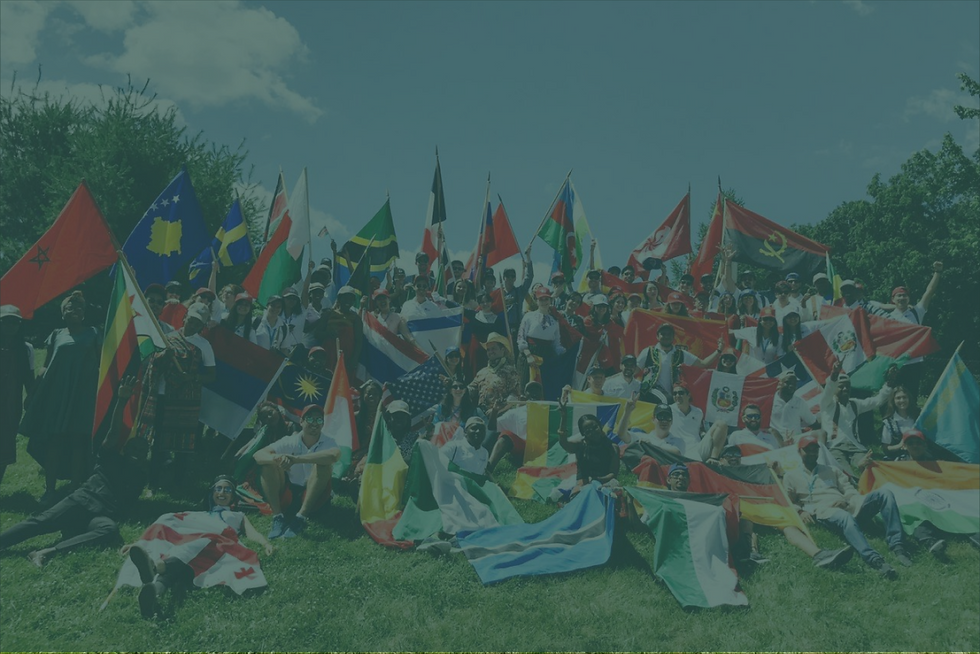


The Global Village Community Network
The Global Village Community Network is an international community platform and community development tool built on the principle of shared knowledge and the power of open collaboration. Its primary aim is aiding community members and organizations all across the world in initiating, executing, and building upon successful projects targeted at the improvement of their communities---a digital bridge that unites impoverished, underserved, and developing communities with allies and resources worldwide.

Background
Digital Technology has the potential to be a truly transformative tool. It has the capacity to greatly enhance our connective and cooperative capabilities—-allowing us to learn, share information, connect, coordinate, and collaborate on unprecedented scales. These capabilities channeled through the right tools and targeted at the right areas can truly transform the world and change it for the better. The challenge we face, and the reason why this advancement has failed to bring about this kind of transformation, is that, up to this point, the tools created within the digital technological age have not channeled this potential in the right ways nor have they been constructed with the aim of targeting the people who need it the most.
There are a growing number of people in the world who are growing up in communities that are falling apart. Through a mix of societal and environmental forces, the little resources that they rely on are rapidly depleting while the environments they live in are degrading. Many of these people rely on outside aid in order to survive and those that are not so lucky are left to their own devices. They feel trapped within their desperate circumstances and lose hope of ever transforming their communities. Part of this despair is the fact that there are little to no lifelines available to them whether through aid or through transformative resources like quality education and healthcare. They are also isolated from the rest of the world due to their lack of technological infrastructure and digital tools which can enable global cooperation. This leaves them in a situation where they cannot help themselves and cannot reach those who can provide a helping hand that betters their outcomes and improve their conditions. The few among them who are lucky enough to have access to the tools of our technological age face a situation where these tools are useless because they lack the correct infrastructure and environments around them to be effective in uplifting these communities.
Technology in general, and specifically digital technology, has often overlooked these people—treating them as simply new users to acquire into their systems which are tailored to the needs of those in more developed, well-off areas rather than the needs of those who actually need it. This has effectively nullified the impact these tools were originally intended to have. This is an issue Ramesh Srinivasan explores in-depth in his book, Whose Global Village: Rethinking How Technology Shapes Our World—which was the inspiration for the design of this platform. In his book, Srinivasan argues the need to be more specific about the digital tools we create in order to target their effectiveness towards the underserved and developing communities that need them the most, writing:
“...across the world, we can consider alternatives around how networked technology can better support our families, communities, and cultures…I would like us to avoid thinking of the Internet or new technology as universal and instead imagine alternative democratic futures for technology that serve the agendas of the traditionally marginalized and silenced...technologies can support a range of practices, visions, priorities, and belief systems of indigenous and non- Western cultures across the world…what if we thought of technology design accordingly, as continuously and dynamically crafted through collaborative processes? We could then start to visualize a world where technologies serve diverse communities rather than vice versa...I hope through this to open up a space for rethinking how technology initiatives across the world might be reimagined from the perspective of peoples otherwise seen as objectified users…...to rethink how technologies can better serve diverse cultures and ultimately contribute to the world, we can imagine digital efforts where the voices and knowledges, or ontologies, of diverse communities are respected as sovereign while empowered to speak to one another…we can reflect on how to make possible what information and media scholar Phil Agre refers to as "deep diversity, where knowledge is treated as a process rather than a commodity...the examples this book shares reveal that technologies can be designed and developed according to the ethic of praxis, a collaborative approach that stresses the potential of equality and collective learning…Praxis is an approach that stresses collaborative learning and creation to overcome inequality…community members from this perspective are seen as active creators rather than passive recipients...[we need] digital tools [that] have been reinvented to support grassroots aspirations, values, and cultures...[we need to adapt] our thinking about new technology...[to] embrace the diversity and complexity of peoples, environments, and cultures…[by doing so] we can think past simplistic and incomplete notions such as having "access" or being "connected," and consider how these tools may be shaped in the context of everyday life across the world…”
To truly capture the transformative potential of digital technology, we need more than just digital spaces– we need catalysts for global change, bridges between communities, and channels of collective strength. We need digital tools built with an understanding of the challenges faced by impoverished regions and—through fostering connection, facilitating collaboration, and enabling greater coordination of time/resources—can help organize the allies and resources necessary to address them. This shift in focus can help us better realize the transformative potential of digital tools and channel them towards the areas that need it most. Redesigning digital technology to help underserved parts of our global community doesn’t necessarily mean overhauling our major platforms, however. It could simply mean building smaller targeted tools and platforms aimed specifically at facilitating collaboration and development efforts within these communities.
Overview
The Global Village Community Network is an international community platform and community development tool built on the principle of shared knowledge and the power of open collaboration. Its primary aim is aiding community members and organizations all across the world in initiating, executing, and building upon successful projects targeted at the improvement of their communities. This platform is designed to be a digital bridge that unites impoverished, underserved, and developing communities with allies and resources worldwide. A tool dedicated to fostering collaboration, enabling coordination, and facilitating information sharing among community members working to improve living standards in underdeveloped regions across the globe. Whether it’s a community leader in rural Africa or an urban planner in Europe, this platform can unite like-minded individuals committed to harnessing the collective power of communities, individuals, and organizations to drive meaningful change.
The challenges faced by impoverished, underserved, and developing communities are universal, but so are the solutions. The Global Village Community Network is a tool and resource that can facilitate the community improvement journey by connecting these solutions to the communities that need them through acting as a conduit for sharing of resources, best practices, effective tools/strategies, and support networks in order to maximize the impact of community development initiatives. It is built on the principle of open-source knowledge and shared experience—allowing communities to freely access, adapt, and build upon successful projects from around the world. By connecting communities from all corners of the globe and channeling all their experiences and efforts through the platform, we aim to create a thriving ecosystem of knowledge exchange and support. Within this ecosystem, users can share knowledge, tools, and resources that have proven effective in addressing the unique challenges faced by impoverished communities. Whether it's sustainable agriculture techniques, healthcare solutions, or educational programs, they can contribute to and benefit from the platform’s global resource library. This platform is also built with the aim of helping local initiatives and humanitarian efforts scale to reach new communities worldwide, specifically those in underserved regions which have historically been overlooked. Recognizing that this can be a complex task, this platform offers a variety of tools and resources for efficient project management, fundraising, and mobilizing support. Through open collaboration and coordination, this platform helps communities and organizations work together seamlessly to address urgent needs, create lasting solutions, and scale their impacts.
The Global Village Community Network is built on the belief that change begins at the grassroots level, and together, we can sow and nurture the seeds of progress present in every community in order to transform the lives of millions living in impoverished communities across the world. This platform’s aim is to be the soil bed for these seeds to grow and a central hub for these communities to connect, collaborate, and make a positive impact on the lives of those in need. By sharing our experiences, combining our resources, and uniting our strengths, we can drive change on a larger scale.
Design Focuses
The focuses for the design of the platform were utility and ease of use. While the platform is meant to be a tool that can be of use to any member of any community worldwide that wishes to explore local to global opportunities for connection, aid, collaboration, and employment, it is primarily geared towards community organizations/managers, humanitarian aid groups, and community development organizations who are searching for avenues to build bridges, share knowledge, coordinate efforts, and collaborate on shared goals. This balance between creating a platform that is functionally useful to these groups and individuals while being easy to navigate and use for the common community member—likely to be unskilled when it comes to the use of technology—was the central focus of the design of this platform. The pages are designed to be simplistic while maintaining the components necessary for the effectiveness of the related tool. The only place where the design deviates from this is the Global Work Portal which relies on the combination of many smaller separate components and is meant to house/display a large number of categorized information in order to be a useful search tool for those seeking global employment opportunities. While these designs are web-based for the purposes of presenting a full view of each component, the main method of delivery for these tools would be mobile-based.
Component Breakdown
Community Hub
A central resource for the latest developments in community improvement projects around the world: access real-time updates on initiatives, success stories, and community-driven projects and tools that are making a difference. This is also a tool that users can use to stay informed about the latest humanitarian efforts happening worldwide. Members can organize regular town hall meetings, surveys, and community forums to involve residents in decision-making processes and gather their input on priorities. They can also host and access discussions, webinars, and knowledge-sharing events that share valuable resources, expert advice, and funding opportunities. Included in this section is the “Community News Board” component which shares the latest news and updates regarding the platform, its community, and the tools it offers.
Community Blog
A resource built around facilitating the sharing of knowledge and the exchange of best practices/lessons learned between communities---enabling a continuous cycle of improvement and innovation. Through this tool, members can keep up to date with challenges, initiatives, and success stories from communities worldwide, learn from the experiences of others, find inspiration in their achievements, and discover innovative solutions to common challenges. Through sharing stories from around the world that showcase innovative approaches to community development, sustainable practices, and the power of grassroots movements, we can help our members discover new ways to make a meaningful impact in their own communities. This tool is also built with the specific aim of amplifying the voices of underserved communities around the world. Whether it's advocating for clean water, education, healthcare, or economic empowerment, our blog can amplify the reach of these voices—aiding them in finding allies and resources.
Projects Portal
Whether its project management, fundraising, mobilizing support, or engaging a community—this resource is designed to streamline community initiatives and humanitarian efforts from conception to completion, amplifying each project’s impact. Through this tool, you can seamlessly organize and manage community-based efforts and projects; from fundraisers to volunteer recruitment. It streamlines the coordination of resources and actions, ensuring that every effort has a greater impact. The focus of this resource is empowering communities to join forces with others. Collaboration is the key to solving global challenges. Our platform provides a space where communities can share ideas, resources, and expertise to work on joint projects that have a meaningful impact. Should they prove successful, these projects can be replicated and customized to suit the unique needs of different communities. This not only accelerates progress but also fosters cross-cultural learning. Whether you're working on sanitation improvements, education programs, or sustainable agriculture, this tool can help you find partners who can provide you with resources, amplify your efforts, and share valuable expertise.
Global Work Portal
In today's interconnected world, the concept of a global community is more relevant than ever before, yet economic inequalities and geographical limitations can often restrict individuals from accessing employment opportunities within this community. Expanding access to meaningful employment is a crucial part of creating a more equitable world. By connecting people to employment opportunities worldwide, we can contribute to economic growth and reduce unemployment rates on a global scale. Through aggregating job listings from diverse industries and regions, this resource expands the array of opportunities available to those seeking employment—specifically those in economically underdeveloped regions of our global community. It connects job seekers with employers, organizations, and opportunities worldwide including both remote-work and on-site employment. It also offers opportunities to connect with regional managers who can offer guidance, support, and networking opportunities. The aim of this resource is to break down geographical borders, allowing job seekers to explore opportunities in countries they may have never even considered and ensuring that underrepresented voices are heard and valued in the global workforce. To help users navigate through language barriers, this tool—alongside the entire platform—is available in multiple languages.
Community Network Map
This resource is a gateway to a worldwide network of communities. It's purpose is to break down geographical barriers, enabling community members from diverse backgrounds to come together, share knowledge, and forge powerful partnerships. Through this, users can explore a world map to search for communities with similar goals or challenges, start meaningful conversations, form partnerships, coordinate activities, and exchange ideas. No matter where you are in the world, this tool helps you find and connect with like-minded individuals and communities committed to positive change.
Outreach Center
Community Managers are the pillars of the bridges that are built through The Global Village Community Network. They are the thread that weaves together the worldwide network of supporters, volunteers, donors, and advocates built around this platform. Their roles are pivotal in fostering meaningful connections, building partnerships, and ensuring that the collective mission of elevating communities resonate across borders. Through this tool, users can enlist their help in engaging with the diverse global communities built around the platform, partnering with organizations that work alongside us, and collaborating with local leaders. They are also a resource that can aid in developing and implementing ground strategies for community projects and humanitarian initiatives based around the regions they cover.
Design
View on Figma:

